

Native Plants

Planting 101

If you missed our yearly plant sale or we sold out of the plants you were hoping for, browse this map to find local retail and wholesale companies selling native plants.


Why we need Native Plants
Native plants have adapted over thousands of years to each region’s unique environmental conditions.
-
Native plants are sustainable, adapted to thrive in their region’s soils and weather conditions.
-
Many natives are deep-rooted, slowing down stormwater and improving water quality and reducing erosion.
-
Natives don't need fertilizer or extra watering once established.
-
Native plants provide quality food and shelter for wildlife (habitat).
-
Native plants are beautiful.
-
Native plants (especially "Keystone" plants) are needed by many of our native pollinators and other wildlife who will not survive without them.
Including native plants in your yard will create a welcoming sanctuary along with many other benefits.


Common Native Plants
Title | Image | Description | More Info | Botanical Name |
|---|---|---|---|---|
Grand Fir | Evergreen
Height: 140-200 ft
Light: Mostly Shade – Part Shade
Moisture: Dry to Moist | Grand Fir (Also known as lowland white fir, silver fir, balsam fir, or yellow fir) is a rapid-growing tree that is relatively short-lived, living less than 300 years. It is shade tolerant and grows from moist river valleys to dry forests. Wildlife benefits from the trees shelter and seeds and it is a butterfly larval host. | Abies grandis | |
Noble Fir | Evergreen
Height: 100-200 ft
Light: Part Shade – Sun
Moisture: Dry – Moist | Noble Fir is the largest American fir and the largest of the true firs which needs a large, wide open landscape setting. Because of its quality and strength, the wood of the noble fir is valued over the wood of other true firs. It is also considered an excellent Christmas tree.
In addition to food, it provides cover and thermal protection for wildlife. | Abies procera | |
Alaska Yellow Cedar | Sold in bundles of 5
Evergreen
Height: around 60-120 feet, but up to 200'
Light: Part Sun
Moisture: Moist-Wet | Note: This species is being offered for conservation purposes, although not native to Skagit.
(Previously known as Chamaecyparis nootkatensis) Alaska Yellow Cedar is notable within the cypress family for its tolerance of cool, wet conditions and shade. It is one of the parents of the hybrid Leyland cypress | Callitropsis nootkatensis | |
Incense Cedar | Evergreen
Height: around 60', but up to 200'
Light: Full to Part Sun
Moisture: Dry - Moist
| Note: This species is being offered for conservation purposes, although not native to Skagit.
Drought tolerant when established.
One of the most distinctive features of the Incense Cedar is its striking reddish-brown bark, which emanates a fragrance reminiscent of vanilla and cinnamon when touched or crushed. | Calocedrus decurrens | |
Port Orford Cedar | Evergreen
Height: 150-200 ft
Light: Mostly Shade – Part Shade
Moisture: Wet to Moist | Port Orford cedar is from the coastal ranges of far northwestern California and southern Oregon. Though limited in it’s native range it is very adaptable to many climate zones throughout the country and has shown considerable cold tolerance in interior climates. | Chamaecyparis lawsoniana | |
Sitka Spruce | Evergreen
Height: 100 – 150 ft, up to 200 ft
Light: Part Shade - Sun
Moisture: Moist - Wet | Also known also as tideland spruce, coast spruce, and yellow spruce, it is a long-lived tree (more than 800 years) that can grow over 200 ft tall. It is the largest species of spruce and the fifth-largest conifer in the world. It is known for being extremely tolerant of poor conditions and once established, it is fast-growing (up to 3 feet per year). It is tolerant of salt and is the most tolerant spruce for warm, humid conditions. It supports hummingbirds and beneficial insects and are a caterpillar host plant and larval food source. | Picea sitchensis | |
Shore Pine | Evergreen
Height: 35-100ft
Light: Part Shade - Sun
Moisture: Dry – Wet | A relatively short pine tree, often with crooked trunk and bushy habit which grows along coastal bluffs, dry mountain forests and rocky areas, and in sand dunes and sphagnum bogs. | Pinus Contorta | |
Western White pine | Evergreen
Height: up to 250 ft
Light: Full Sun
Moisture: Dry - Moist | This large pine does best in large open spaces. It thrives on a wide variety of sites, from peat bogs to dry sandy soils and rocky earth, but they grow best in moist valleys and on gentle slopes. Pines are second only to oaks in their food value to wildlife and are a butterfly host species. | Pinus monticola | |
Douglas Fir | Evergreen
Height: 100-150 and up to 290 ft
Light: Sun-Part Shade
Moisture: Dry – Moist, well-drained soils. | Douglas-fir trees, sometimes called red firs, Oregon pines, and Douglas spruce, are neither true fir trees nor pines nor spruces. The genus name Pseudotsuga means “false hemlock,” referencing another kind of tree they resemble. | Pseudotsuga menziesii | |
Giant Sequoia | Evergreen
Height: up to 300 ft
Light: Full Sun
Moisture: Dry - Moist | Native to California, this species is being offered for conservation purposes.
While neither the tallest nor the widest tree known, giant sequoia is the world’s largest tree in total mass. Under optimal conditions, a tree will reach a height of 250-275 feet and a diameter of fifteen to twenty feet. The largest giant sequoias may reach heights of 350 feet, diameters of thirty-five feet with root spreads of 400 feet in diameter, and ages of more than 3,000 years. The roots of giant sequoia develop rapidly, which can increase the tree’s stability but makes transplanting difficult. Due to its majestic stature, giant sequoia should only be planted in areas with abundant space. Giant sequoia is intolerant of shade and benefits from plenty of sunlight. | Sequoiadendron giganteum | |
Western Red Cedar | Evergreen
Height: 150-200 ft
Light: Shade to Part Shade
Moisture: Moist to Wet | This species grows best on seepage and alluvial sites. It can grow in drier habitats as long as it's not too dry.
Western red cedar is an important tree in Native American cultures, and is the provincial tree emblem for British Columbia. | Thuja plicata | |
Vine Maple | Deciduous
Height: up to 25 ft
Light: Part Shade - Sun
Moisture: Dry – Wet
Bloom: Pink-white, March-June | Vine maple is planted in forested riparian habitats to help reduce erosion. Vine maples do well under a shade canopy and also in sunny locations. Birds and small mammals rely on the flowers, buds, and seeds. This plant is a larvae source for the brown tissue moth and the Polyphemus moth, as well as a good nectar source for bees. | Acer circinatum | |
Douglas Maple | Deciduous
Height: up to 32 ft.
Light: Sun - Part Shade
Moisture: Dry-Moist
Bloom: May -June | Able to withstand drier, colder, sunnier sites than Vine Maple. Adapts to a wide range of conditions, tolerant of poor soils, drought, and strong winds. Fire resistant. | Acer glabrum | |
Big Leaf Maple | Deciduous
Height: Up to 80 ft
Light: Sun- Part Shade
Moisture: Dry – Moist
Bloom: March- June, early bloom for pollinators | Often found growing in disturbed areas like land cleared by fire or logging, Acer macrophyllum will sprout quickly from its stump and can grow over three meters in a year. Big-leaf maples often grow with many trunks and will drop its lower branches as it matures. This creates many nooks and crannies in the tree, providing ideal housing for birds and small mammals. Its deeply ridged bark creates and ideal habitat for epiphytes (plants that grow on trees without soil), including many species of mosses and lichens as well as the Licorice Fern, | Acer macrophyllum | |
Pacific Serviceberry | Deciduous
Height: up to 15 ft.
Light: Sun - Part Shade
Moisture: Dry - Moist
Bloom: April – July | A thicket forming shrub or small tree that provides year-round interest in the landscape, as well as producing edible fruits. They also called shadbush, juneberry and saskatoon in different areas of the country. Their roots aren’t aggressive, so understory plants that prefer partial shade, can easily be planted under them. The white flowers in late spring become a sweet fruit similar to blueberries. Fire resistant. | Amelanchier alnifolia | |
Birch | Deciduous
Height: up to 80 ft
Light: Part Shade - Sun
Moisture: Moist, well-drained soils
Bloom: April - June | A small to medium-sized deciduous tree with attractive white, peeling, papery bark which grows in marshes, wetlands, along bog margins, and in forests and woods. | Betula papyrifera | |
Pacific Dogwood | Deciduous
Height: up to 66 ft
Moisture: Moist, well drained
Light: Part Shade - Sun
Bloom: April - June | Douglas fir timber is of great commercial importance for lumber and are widely grown for Christmas trees. | Cornus nuttallii | |
Red Osier Dogwood | Deciduous
Height: up to 20 ft
Light: Shade – Sun
Moisture: Moist – Wet
Bloom: White, May – June | Red osier-dogwood is an excellent plant for restoration purposes. It is easy to propagate, grows quickly, and has wildlife value. It does well in areas that are seasonally inundated with water. It has a fibrous root system which is great for soil stabilization. This dogwood is an excellent shrub to plant along sunny edges and in deciduous canopy shade because it is sun-loving and shade tolerant. | Cornus stolonifera | |
Beaked Hazelnut | Deciduous
Height: 15 ft
Light: Part Shade - Sun
Moisture: Dry – Moist, well-drained
Bloom: January - March | Pollinated by the wind, hazelnut is the earliest shrub to bloom. This an attractive shub handles a wide variety of conditions. Edible nuts ripen September to October. Drought tolerant and fire-resistant. | Corylus cornuta | |
Black Hawthorn | Deciduous
Height: up to 45 ft
Light: sun - part shade
Moisture Requirements: moist - wet
Bloom: May-June | Spread readily by root suckers, planted as a hedge, Hawthorns can create an impenetrable, thorny thicket. Bloom: May-June. Fruits; mid-July through August. Fire-resistant. | Crataegus douglasii | |
Oregon ash | Deciduous
Height: up to 80 ft.
Light: Sun - Part Shade
Moisture: Moist-Wet
Bloom: April – May. | Particularly suited to heavy soils and poorly drained areas, which are often too wet for any other tree. The winged seeds of Oregon Ash are eaten by a birds and small mammals. The foliage is food for butterfly larvae and may be consumed by passing browsers. Fire resistant. | Fraxinus latifolia | |
Oceanspray | Deciduous
Height: up to 10 ft
Light: Part Shade – Sun
Moisture: Dry – Moist
Bloom: White, May-Aug. | It does exceedingly well on dry slopes and at the edge of deciduous forests of alder and cascara. It can also stand alone as a feature plant in a garden or at the back of a border. It’s fountain like clusters of lovely blooms attract hummingbirds, bees, and butterflies (and it is a butterfly host plant). | Holodiscus discolor | |
Tall Oregon Grape | Evergreen
Height: up to 10ft
Light: Shade - Full Sun
Moisture: Dry – Moist
Bloom: Yellow, March - June | Evergreen woody-stemmed shrubs with distinct holly-like leaves. Bronze-colored new growth in spring, with mounds of small, bright yellow fragrant flowers in spring, followed by clusters of round, dusky blue (edible, though often sour) fruit. Foliage often takes on a striking red to purplish cast in fall-winter. | Mahonia aquifolium | |
Low Oregon Grape | Evergreen
Height: up to 3 ft
Light: Part to full Shade
Moisture: Dry – Moist
Bloom: Yellow, March - June | Low growing woody-stemmed shrubs with distinct holly-like leaves. Bronze-colored new growth in spring, with mounds of small, bright yellow fragrant flowers in spring, followed by clusters of round, dusky blue (edible, though often sour) fruit. Foliage often takes on a striking red to purplish cast in fall-winter. | Mahonia nervosa | |
Creeping Oregon Grape | Evergreen
Height: up to 2 ft
Light: Full Shade to Full Sun
Moisture: Dry – Moist
Bloom: Yellow, March - June | The lowest growing of the three, Mahonia, its leaves are more rounded and less prickly. More common east of the Cascades. | Mahonia repens | |
Osoberry | Deciduous
Height: 5-10ft
Light: Part Shade - Sun
Moisture: Dry – Moist
Bloom: White, February - April | Useful in restoration projects due to its wide tolerance for various shade and moisture regimes, its rapid growth, and its thicket-forming suckering habit. Despite preferring wet conditions it can withstand drought and dry conditions. Use in greenbelts and stormwater facilities for its formation of fibrous roots that help mitigate soil erosion. The flowers provide a nectar source for pollinators and the fruits are eaten by birds and mammals . | Oemleria cerasiformis | |
Mock Orange | Deciduous
Height: 10 ft
Light: Part Shade - Sun
Moisture: Dry – Moist
Bloom: White, May – July | An upright, loosely-branched, deciduous shrub with large fragrant white flowers which grows along coastal bluffs and rocky slopes, in open forests and disturbed areas, and along forest edges, openings, or clearings. Seeds are enjoyed by many birds and flowers attract numerous pollinators. | Philadelphus lewisii | |
Ninebark | Deciduous
Height: up to 13 ft.
Light: Sun - Part Shade
Moisture: Moist-Wet
Bloom: April-July. | Benefits small bees, host plant for Spring Azure butterflies. It’s fibrous roots and capacity to root from un-rooted cuttings make it suitable for soil bioengineering techniques including live stakes, fascines and brush mats. It is particularly valuable for streambank and lakeshore stabilization applications. Fire resistant. | Physocarpus capitatus | |
Quaking Aspen | Deciduous
Height: 80'
Light: Sun to part shade.
Moisture: Dry-Moist.
Bloom time: April – June. | Fire resistant. Because this tree produces slender, laterally-flattened petioles, the wind causes the leaves to appear to shake or tremble. In autumn, the leaves turn golden to yellow in color. This tree grows vigorously through spreading roots to form large clonal groves. The species is similar to the European aspen (Populus tremula) which is commonly found in landscaping and in commercial nurseries. | Populus tremuloides | |
Garry Oak | Deciduous
Height: up to 60 ft
Light: Part Shade - Sun
Moisture: Dry – Moist | Garry Oak (also called White Oak) is a long lived, slow growing, deciduous tree with a well-behaved root system. Once established, it is drought-resistant, flood-tolerant, and mature trees are fire-resistant. When it comes to habitat value, Garry oaks are a species of merit, providing an incredibly rich habitat for wildlife. | Quercus garryana | |
Cascara | Deciduous
Height: 15-35 ft
Light: Shade - Part Sun
Moisture: Moist - Wet
Bloom: Greenish-yellow, April-June | A widely-adaptable small tree that is a favorite for birds and suitable for the smaller urban garden; growing as a shrub to about 15 feet, it can also reach 30 feet as a small tree. The insignificant, creamy greenish-white flowers are liked by butterflies and the fruit attracts many species of birds. | Rhamnus purshiana | |
Pacific Rhododendron | Evergreen
Height: up to 24 ft
Light: Sun- Shade
Moisture: Dry - Moist
Bloom: Pink, May - July | This plant is good for low water use landscaping and offers erosion protection within steep watersheds. It can grow up to 26 ft in shade. This plant has a shallow root system. | Rhododendron macrophyllum | |
Red Flowering Currant | Deciduous.
Height: Up to12 ft
Light: Part Shade - Sun
Moisture: Dry – Moist
Bloom: Pink-red, March – June | Red-flowering currant tolerates poor soil and grows in sunny to partly shady areas making it a great landscaping or restoration shrub. Spring flowers provide a nectar source for hummingbirds, bees, and other pollinators. The berries are eaten by birds and mammals and many moths and butterflies use the leaves as forage during the caterpillar stage. | Ribes sanguineum | |
Nootka Rose | Deciduous.
Height: 3-8 ft
Light: Part Shade - Sun
Moisture: Dry– Moist
Bloom: Pink, May - July | Spreads aggressively by rhizome. Wildlife food & shelter, host plant for numerous butterflies. | Rosa nutkana | |
Peafruit Rose | Deciduous.
Height: 3-6 ft
Light: Part to Full Sun
Moisture: Dry – Moist
Bloom: Pink, May - July | Flowers are smaller than Nootka and usually in clusters of 2-10. Cluster rose excels in moist areas like wetlands and stream edges. Once established, its shrubby habit is ideal to create a thicket for hedge rows and to provide shelter for small birds. Clustered rose can help stabilize soil along stream banks. | Rosa pisocarpa | |
Thimbleberry | Deciduous
Height: up to 10 ft
Light: Part Shade
Moisture: moist - dry, Well-drained
Bloom: White, May - July. | Thimbleberry is related to raspberries and blackberries that spreads by underground rhizomes. The thornless canes can create a dense stand that is topped by large, maple-like leaves with edible red fruit that resembles a raspberry (or a thimble). Bees and other pollinators are attracted to the flowers, and the leaves are a host plant for many different species of butterflies and moths. Birds and other mammals eat the berries. | Rubus parviflorus | |
Salmonberry | Deciduous.
Height: up to 12 ft
Light: Part Shade - Sun
Moisture: Dry– Moist
Bloom: Pink, April - May | Prefers part shade but can handle full sun with sufficient moisture. Spreads by branching rhizomes that form dense thickets. The stems of Salmonberry have shedding bark, similar to Pacific Ninebark which although largely unarmed, can range from having scattered prickles to being very bristly. | Rubus spectabilis | |
Hooker Willow | Deciduous
Height: Up to 20 ft
Light: Part Shade - Sun
Moisture: Dry – Moist
Bloom: February- March | Known by the common names dune willow, coastal willow, and Hooker's willow, this plant is native to the west coast of North America from Alaska to northern California, where it grows in coastal habitat such as beaches, marshes, floodplains, and canyons. It is useful in riparian restoration and to control soil erosion. | Salix hookeriana | |
Pacific Willow | Deciduous
Height: - 60'
Light: Sun to part shade.
Moist: Dry to moist sites;
Bloom: February - March. | One of our largest native willows, reaching 20-60 feet, it has excellent soil-binding and wildlife-enhancing properties. It can quickly create a canopy and competes well with invasive plants like reed canary grass. It is the easiest to identify because of its lance-shaped leaves. Its smooth branches are attractive in winter, especially in varieties that have yellow twigs. Fire resistant. Wildlife food & shelter, pollen. | Salix lucida (Also called Salix lasiandra) | |
Sitka Willow | Deciduous
Height: Up to 30 ft
Light: Part Shade - Sun
Moisture: Moist - Wet
Bloom: February- March | Native to stream banks from southern Alaska to southwestern Oregon, Sitka willow is found on or near lake shores, wetland margins, forest edges, wet openings, and clearings at low to middle elevations. Excellent for planting with live stakes. Quick growing willow that is more shrub than tree. | Salix sitchensis | |
Blue Elderberry | Deciduous
Height: up to 30 ft
Light: Sun
Moisture Requirements: Dry – Moist
Bloom: May-June | Blue Elderberry can be used as a hedgerow, as a screen, or planted at the edge of a forest. It is also valuable for revegetation projects, and to stabilize slopes and streambanks. It is most often grown for its edible berries and to attract birds and pollinators. | Sambucus cerulea | |
Douglas Spirea | Deciduous.
Height: 3-8 ft
Light: Part Shade - Sun
Moisture: Dry– Wet
Bloom: Pink, July-August. | Commonly known as Hardhack and Steeplebush, it grows in margins of ponds, meadows, & open space at low elevation spreading by rhizomes. It will tolerate a lot of water and can become very drought tolerant. It is very aggressive, often forming dense colonies. Used for erosion control, wildlife shelter. Fire resistant. | Spiraea douglasii | |
Snowberry | Deciduous.
Height: 3-8 ft
Light: Part Shade - Sun
Moisture: Dry– Moist
Bloom: Pink, May - August
| Snowberry prefers well drained soils, but it can tolerate wet and dry conditions, and nutrient poor soils. Although snowberry grows best in part sun, it can also tolerate shade and full sun. Snowberry’s deep and rigorous roots make it an ideal species to plant on slopes for erosion control and along riparian zones for bank stabilization projects. The flowers attract pollinators such as hummingbirds, butterflies, and bees. Songbirds and bears are known to eat the winter berries. The sphinx moth (Spinx vashti) feeds on snowberry during its larval stage. | Symphoricarpos albus | |
Evergreen Huckleberry | Evergreen
Height: 2 – 13 ft (depends on site conditions)
Light: Shade - Sun
Moisture: Dry – Moist
Bloom: Pink, March-August | Beautiful foliage and edible fruit make this a must in most gardens. Evergreen Huckleberry grows slowly, reaching 3-6 feet in the sun and 12 feet or more in the shade. Does not transplant well, but can be grown easily from smaller potted stock. Fruit ripens August to September but often remain on the plant through December. | Vaccinium ovatum | |
Kinnikinnick | Evergreen
Height: Up to 1 ft
Light Requirement: Part Shade - Sun
Moisture Requirements: Dry
Bloom: White-pink flowers, April - July. | Spreading groundcover with red berries in the fall that does best in the sand and/or on a hill slope and can help protect from erosion. It does not do well in heavy, compacted soils where it tends to languish.
Benefits: Butterflies, Fire-resistant, Drought tolerant | Arctostaphylos uva-ursi | |
Common Camas | Perennial Bulb.
Height: up to 3'
Light: Sun - Part shade
Moisture: Moist - Dry
Bloom: Blue Violet, April - July | Grows in open areas which are vernally moist, and dry by late spring when it eventually goes dormant. Camas is an important flower for pollinating insects in prairie habitats. Considered among the easiest of and showiest of native bulbs. | Camassia quamash | |
Great Camas | Perennial Bulb.
Height: up to 4'
Light: Sun - Part shade
Moisture: Moist - Dry
Bloom: Blue Violet, April - July | Taller in stature and larger flowers than its close relative the common camas. Grows in open areas which are vernally moist, and dry by late spring when it eventually goes dormant. Camas is an important flower for pollinating insects in prairie habitats. Considered among the easiest of and showiest of native bulbs. | Camassia leichtlinii | |
Woodland Strawberry | Perennial
Height: up to 1 ft
Light: Sun - Shade
Moisture: Dry- Moist
Bloom: March - August | Attractive spreading strawberry groundcover, white flowers and small strawberry fruit. Not as aggressive as beach strawberry and excellent for woodland settings. | Fragaria vesca | |
Salal | Evergreen
Height: up to 6 ft
Light: Sun- Shade
Moisture: Dry – Moist
Bloom: White and pink, May – June | Although often slow to establish, in time it will aggressively fill in and develop into large patches of verdant foliage. Plants have thick, evergreen leaves, that are valued in floral arrangements. Small white flowers bloom in late spring or early summer bearing edible black fruit in fall. Benefits: pollinators, drought tolerant, edible, and fire-resistant. | Gaultheria shallon | |
Fringe Cup | Semi-evergreen
Height: up to 1 ft with flower spikes up to 3 ft.
Light: Part to Full Shade
Moisture: Moist
Bloom: April - July | Fringecup can establish well in disturbed and shady areas to create a thick ground cover, which may even outcompete invasive weeds. Once established, they are also slug resistant and evergreen during mild winters. | Tellima grandiflora | |
Early Blue Violet | Perennial
Height: 4 in
Light: Part shade
Moisture: Moist - Dry
Bloom: Blue Violet, April - July | The Early Blue Violet is the sole hostplant for the Oregon silverspot butterfly. Although the Oregon silverspot butterfly has been extirpated from Washington, WDFW has led habitat restoration efforts on coastal sites in Pacific County in preparation for future butterfly reintroductions. | Viola adunca | |
NOTE: Fire-resistant does not mean fireproof! Even fire-resistant plants will burn if not well maintained. Be sure to keep all of your landscape plants healthy with appropriate watering, proper pruning, etc.
Native plants for Rain gardens
Plants in zone 1 need to be able to tolerate wet conditions and seasonal flooding.


Plants for shady zone 1
Slough sedge (Carex obnupta)
Small-fruited bulrush (Scirpus microcarpus)
May Lily (Maianthemum dilatatum)
Pacific waterleaf (Hydrophyllum tenuipes)
Ferns Lady fern (Athyrium filix-femina)
Deer fern (Blechnum spicant)
Goat's beard (Aruncus dioicus)
Red-twig dogwood (Cornus sericea)
Black twinberry (Lonicera involucrata)

Plants for sunny zone 1
Dagger-leaf rush (Juncus ensifolius), Taper-Tipped rush (Juncus acuminatus)
Cascade penstemon (Penstemon serrulatus)
Henderson’s checker-mallow (Sidalcea hendersonii)
Rocky Mountain Iris (Iris missouriensis)
Red-twig dogwood (Cornus sericea)
Pacific ninebark (Physocarpus capitatus)
Black twinberry (Lonicera involucrata)
Pacific crabapple (Malus fusca)
Plants in zone 2 need to be able to tolerate moist to occasionally flooding conditions.

Plants for shady zone 2
May Lily (Maianthemum dilatatum)
Oregon wood sorrel (Oxalis oregana)
Sword fern (Polystichum munitum)
Lady fern (Athyrium filix-femina)
Low Oregon Grape (Mahonia repens)
Snowberry (Symphoricarpos albus)
Salal (Gaultheria shallon)
Western Pussy Willow (Salix scouleriana)
Cascara (Frangula purshiana)
Plants for sunny zone 2
Daylily (Hemerocallis spp.)
Giant camas (Camassia leichtlinii)
Henderson's Checker Mallow (Sidalcea hendersonii)
Douglas Iris(Iris douglasiana)
Red-twig dogwood (Cornus sericea)
Snowberry (Symphoricarpos albus)
Western Pussy Willow (Salix scouleriana)
Tall Oregon grape (Mahonia aquifolium)
Pacific crabapple (Malus fusca)
Plants in zone 3 need to be able to tolerate moist to dry conditions.

Plants for shady zone 3
Inside-out flower (Vancouveria hexandra)
Western bleeding heart (Dicentra formosa)
Sword fern (Polystichum munitum)
Evergreen huckleberry (Vaccinium ovatum)
Low Oregon grape (Mahonia nervosa)
Rhododendron macrophyllum
Vine maple (Acer circinatum),
Cascara (Frangula purshiana)
Indian plum (Oemleria cerasiformis)
Plants for sunny zone 3
Black-eyed Susan (Rudbeckia hirta)
Cooley's Hedge-nettle (Stachys cooleyae)
Oceanspray (Holodiscus discolor),
Red-flowering currant (Ribes sanguineum)
Snowberry (Symphoricarpos albus)
Oregon Boxleaf (Paxistima myrsinites)
Tall Oregon grape (Mahonia aquifolium)
Serviceberry (Amelanchier alnifolia), Oceanspray (Holodiscus discolor)
Mock Orange, Philadelphus lewisii

Plant and Landscape Resources

Source Water Protection
Green
Infrastructure
Bioretention
Resource for Clean Water
Rainwater
Harvesting
Rain Garden handbook
Rain Garden Care

Determining Soil Type
Natural lawn #1 Soil & Mulch
Natural Lawn #2 Plant Right
Composting
Soil Fertility Guide for Gardeners
Soils & fertilizers
Why use mulch?

Understanding Your Site Conditions -WSU
Planting Guide
Plant lists
Hedgerows
-King CD
Hedgerow Handbook pdf
Hedgerows Toolkit
LakeWise Shoreline Planting Guide


Natural Lawn #3 Smart Watering
Natural Lawn #4 Using Pesticides
Natural Lawn Care #5
W. WA Natural lawn care
Integrated Pest Management
Hortsense Home gardener fact sheets

Care should be taken to not plant invasive species as they tend to crowd out the native species. Some common groundcovers, shrubs, and vines are invasive and are prohibited from being planted. Refer to the state list of invasive plants.
Western Garden Wise Online Resources

Planting for pollinators
The Xerces Society has collaborated with the Lady Bird Johnson Wildflower Center to create plant lists that are attractive to native bees, bumble bees, honey bees, and other beneficial insects, as well as plant lists with value as nesting materials for native bees. These lists can be narrowed down with additional criteria such as state, soil moisture, bloom time, and sunlight requirements.
Washington Native Plant Society Plant Lists and Links

Finding the "Right" Plant
Plant taller trees away from utility lines

Plants all need the same things, but they don't all have the same needs. Some plants need more sun, some need more shade. Some plants need a lot of water, some need very little, and everything in between…
Putting the right plant in the right place, not only increases the likelihood of a happier healthy plant, but also reduces the likelihood of big problems later.
Evaluate what you have to work with. The physical aspects that are there, will direct how you can or should proceed.
Landscaping Tips
-
Use the shape of the land and the availability of light and water to shape your design.
-
When you're designing a landscape, keep planting zones in mind.
-
Group plants together that all have the same moisture and light requirements.
-
Make sure plants that require a lot of water are near a water source. (Sometimes that means a hose or rain catchment)
-
Make sure that plants that require more of your attention are easily accessible.
-
Consider the mature size of a plant. Make sure they have room to grow and make sure that plants that require more sun are not planted next to a plant that will grow and shade them out.

2026 Plant Sale List
*This is not a guarantee of species availability when sale opens.
Evergreen Trees

Alaska Yellow Cedar
Callitropsis nootkatensis
Evergreen
Bundles of 25 for $62
Height: around 60-120 feet, but up to 200'
Light: Part Sun
Moisture: Moist-Wet

Sitka Spruce
Picea sitchensis
Evergreen
Bundles of 25 for $37
Height: 100 – 150 ft, up to 200 ft
Light: Part Shade - Sun
Moisture: Moist - Wet

Grand Fir
Abies grandis
Evergreen
Bundles of 25 for $37
Height: 140-200 ft
Light: Mostly Shade – Part Shade
Moisture: Dry - Moist

Douglas Fir
Pseudotsuga menziesii
Evergreen
Bundles of 25 for $52
Height: 100-150 and up to 290 ft
Light: Sun-Part Shade
Moisture: Dry – Moist, well-drained soils.

Noble Fir
Abies procera
Evergreen
Bundles of 25 for $57
Height: 100-200 ft
Light: Part Shade – Sun
Moisture: Dry – Moist

Western Red Cedar
Thuja plicata
Evergreen
Bundles of 25 for $52
Height: 150-200 ft
Light: Shade to Part Shade
Moisture: Moist to Wet
Deciduous Trees & Shrubs

Cascara
Rhamnus purshiana
Deciduous
Bundles of 10 for $36
Height: 15-35 ft
Light: Shade - Part Sun
Moisture: Moist - Wet
Bloom: Greenish-yellow, April-June

Blue Elderberry
Sambucus cerulea
Deciduous
Bundles of 10 for $33
Height: up to 30 ft
Light: Sun
Moisture Requirements: Dry- Moist
Bloom: May-June

Pacific dogwood
Cornus nuttallii
Deciduous
Bundles of 10 for $36
Height: up to 66 ft
Moisture: Moist, well drained
Light: Part Shade - Sun
Bloom: April - June

Oceanspray
Holodiscus discolor
Deciduous
Bundles of 10 for $33
Height: up to 10 ft
Light: Part Shade – Sun
Moisture: Dry – Moist
Bloom: White, May-Aug.
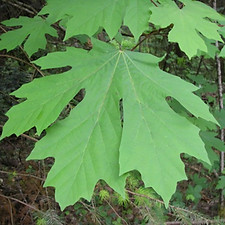
Big Leaf Maple
Acer macrophyllum
Deciduous
Bundles of 10 for $36
Height: Up to 80 ft
Light: Sun- Part Shade
Moisture: Dry – Moist
Bloom: March- June, early bloom for pollinators

Red Osier Dogwood
Cornus stolonifera
Deciduous
Bundles of 10 for $33
Height: up to 20 ft
Light: Shade – Sun
Moisture: Moist – Wet
Bloom: White, May – June

Paper Birch
Betula papyrifera
Deciduous
Bundles of 10 for $36
Height: up to 80 ft
Light: Part Shade - Sun
Moisture: Moist, well-drained soils
Bloom: April - June

Red Flowering Currant
Ribes sanguineum
Deciduous
Bundles of 10 for $33
Height: Up to12 ft
Light: Part Shade - Sun
Moisture: Dry – Moist
Bloom: Pink/red, March – June

Mock Orange
Philadelphus lewisii
Deciduous
Bundles of 10 for $33
Height: 10 ft
Light: Part Shade - Sun
Moisture: Dry – Moist
Bloom: White, May – July

Oso berry
Oemleria cerasiformis
Deciduous
Bundles of 10 for $33
Height: 5-10ft
Light: Part Shade - Sun
Moisture: Dry – Moist
Bloom: White, February - April

Peafruit Rose
Rosa pisocarpa
Deciduous
Bundles of 10 for $33
Height: 3-6 ft
Light: Part to Full Sun
Moisture: Dry – Moist
Bloom: Pink, May - July

Hooker willow
Salix hookeriana
Deciduous
Bundles of 10 for $27
Height: Up to 20 ft
Light: Part Shade - Sun
Moisture: Dry – Moist
Bloom: February- March
Special Brokered Items

Kinnikinnick
Arctostaphylos uva-ursi
Evergreen
Bundles of 5 for $27
Height: Up to 1 ft
Light Requirement: Part Shade - Sun
Moisture: Dry
Bloom: White-pink flowers, April - July.

Salal
Gaultheria shallon
Evergreen
Bundles of 5 for $27
Height: up to 6 ft
Light: Sun- Shade
Moisture: Dry – Moist
Bloom: White and pink, May – June

Evergreen Huckleberry
Vaccinium ovatum
Evergreen
Bundles of 5 for $37
Height: 2 – 13 ft (depends on site conditions)
Light: Shade - Sun
Moisture: Dry – Moist
Bloom: Pink, March-August
How it works:
Every year, the Conservation District purchases a large order of conservation grade plants from the Plant Materials Center (PMC) to sell at our annual plant sale. Conservation grade is based on survivability, not on looks. They come as bareroot stock, small container stock, or plugs. The decision of what to supply, and how much, is based both on sales from the previous year and what is available to us depending on the cultivating success of certain species that year. Sometimes these plants are species that are grown on-site, and some are brokered stock, which means that they are contracted out and grown elsewhere. The plants are kept in the cold storage at the PMC until pick-up day.
Purpose of the Plant Sale:
The purpose of the plant sale is to promote natural resource conservation by providing quality, conservation-grade native plants at wholesale prices. These plants are beautiful, hardy, and serve a purpose in conservation projects such as erosion control, riparian restoration, reforestation, backyard habitat enhancement, wetland restoration and wildfire mitigation. Proceeds from the plant sale help fund youth education efforts.
This sale is self-supporting. Our staff and volunteers work very hard to make the sale run as smoothly and seamlessly as possible for our customers. Each year holds new challenges, and we do our best to adjust and accommodate for them. The Conservation District welcomes suggestions on how we can improve the process on sale days- don't hesitate to reach out! Thanks for your support!
If you haven't already, sign up for our newsletter to stay up to date on our workshops, events, and more.

FAQs
How do I order plants?
Online Order. Please sign up for our mailing list to be alerted when we open up the online sale. Quantities are limited and many species will sell out, so make sure to order early if there are specific plants you're hoping to get!
See a list of plants frequently sold at our sales Here
What is the minimum order?
Plants come in bundles and for bundling purposes, the minimum plant order is $50 before taxes.
Where do I pick up my plants?
All orders must be picked up on the designated pickup date at the Plant Materials Center.
*Any plant orders not picked up will be donated to local restoration projects.*
WACD Plant Materials Center
16564 Bradley Rd
Bow, WA 98232
Bareroot Plant Storage
Prior to packing, the plants are held in cold storage at about 34°F. Once the plants have been repacked, they begin to break dormancy and should be planted within about 3 days.
Package and handling
Packaged plants should be kept out of the sun, in a cool place. Plants should not be kept packaged for extended periods of time and should be planted or potted up as soon as possible. Handling Tips For Improving Tree and Shrub Plantings
How big are the plants?
Your plants will be bare root. This means they will not be coming in a pot, but rather a compact bundle that will be packed in a convenient bag for travel. You shouldn't need a trailer or even a truck to pick up your order! The bundles are more compact than most people expect, since they are bare root.
Returns and Changes
All sales are final. We do not accept product returns or changes. If you have placed an order and would like more plants, please place another order. If we cannot fill part of your order due to a shortage from the nursery, a plant substitution or refund will be offered.
Plant Mortality
We do not offer any guarantee regarding the survival of the plants. Generally, you can expect about 10-20% plant mortality, however this can vary depending on how plants are handled after pick-up, site conditions, and species. For best survival please visit our native plant page.
*Once the plants have been repacked, they begin to break dormancy and should be planted within about 3 days. Plants not picked up on the day of sale will be donated to local agencies and non-profit organizations for the benefit of the public. No refunds will be issued for plant orders not picked up.*
What if the plants are sold out?
We are sorry we sold out of plants. Other places to purchase native plants can be found here.