
_edited.jpg)
_edited.jpg)


Community Engagement


The Scoop on Poop
%20Laura%20Spehars%20doggy.jpg)
What’s the problem?
1. Dog poop is like human poop. It contains pathogens such as bacteria, viruses, and parasites that can make people, pets, and wildlife sick. Some of these pathogens can survive for years in the soil and water.
2. Rainwater picks up everything it touches, including dog poop, and carries it to the nearest drain or ditch which flow into nearby waterways.

What's the solution?
1. Bag it and put it in the trash.
Bagging and trashing dog poop is the preferred disposal method. The bag protects everyone from contact with the pathogens, and landfills safely contain the pollutants. Trash haulers and public health professionals agree.

Do you know the answers?
Dog poop is just like cow manure... Right?
No. Like human poop, pet poop is raw sewage. Dogs eat a much different diet than livestock and wild animals, so their poop has parasites and germs that can harm wildlife as well and people and their pets.
Can I bury or compost pet poop?
No. Buried poop is still full of bacteria and can still pollute the water. Most compost conditions don’t properly treat or remove the pathogens and parasites in poop. That’s why your yard waste hauler doesn’t want dog poop put in the yard waste bin. Pet poop should never be placed in your home compost bin or directly on your landscape.
Wild animals poop too.
True. Wildlife poop is also a water quality problem. When it rains, bacteria from the poop in the soil gets into the waterways where it can infect people, pets and wildlife. Poop on the ground is a problem.
Why do I have to pick up after my dog, but they don't have to pick up after their cows and horses?
Oh, but they do have to pick up after their livestock! Picking up poop is part of the job. Dogs, cats, cows, goats, chickens, you name it…If your pet or livestock poops, you’ve got to scoop it up and manage the waste responsibly.
Is it really better to use plastic bags instead of leaving poop on the ground?
Yes. Plastic isn’t great for our environment, but it is currently the best and safest option. When tied up and thrown in the trash, plastic bags keep dangerous bacteria out of the environment. To reduce the use of plastic, use recycled or reused plastic bags. At home, try using a scooper tool and a bag-lined bin to reduce the amount of plastic you use.
Should I use biodegradable bags?
No. Biodegradable pet waste bags are only useful if they're going to an industrial compost facility (which we don't have in Skagit County). The environment in traditional landfills doesn't allow Biodegradable bags don't break down.
Can I leave my bagged poop on the trail to pick up later?
Please don't. Bags left on the side of the trail for later pickup are often forgotten. And even if you are certain to remember your bag, other people may see your bag sitting on the trail and think it's ok to just leave their bags too.Using a bag carrier or keeping a hard-sided plastic food container in your bag are two hands-free solutions for packing out poop.
This didn't seem like an issue when I was growing up. What's different now?
Our population here in the northwest is growing quickly. With more people and more dogs living close together, the density of poop adds up. It's another drop in the pool of contaminants we are trying to keep out of our waterways.
Dirt, poop, oil, chemicals, every little bit counts.
Scoop it, Bag it, & Put it in the trash.


Programa de voluntariado de biotoxinas marinas


¡Atención amantes de la playa!
¿Le gusta pasar tiempo en la playa, cavar almejas, aprender nuevas habilidades y contribuir con su tiempo a un importante proyecto comunitario? El Distrito de Conservación de Skagit ahora está buscando voluntarios de la comunidad interesados (mayores de 18 años) para brindar apoyo en el monitoreo de las playas locales de recolección recreativa de mariscos para Envenenamiento paralítico por mariscos (PSP) y envenenamiento diarreico por mariscos (DSP) para la temporada 2022. La PSP es una enfermedad grave causada por comer mariscos que han consumido grandes cantidades de toxinas. DSP es nuevo en nuestra área y recientemente se detectó en las aguas de Puget Sound. El monitoreo regular de nuestras playas asegura la seguridad de la salud pública. Este programa de voluntarios fue diseñado para actuar como un sistema de advertencia para ayudar al Programa de Biotoxinas del Departamento de Salud del Estado de WA durante la temporada de FAN (floración de algas nocivas). El compromiso de tiempo para este programa incluirá aproximadamente de 4 a 6 horas por mes desde mediados de abril hasta septiembre después de completar la capacitación (durante las mareas bajas durante el día).

Who can Volunteer
Adults, 18+ in Skagit County who are interest in public health and the Salish Sea can participate.
Time Commitment
¡Atención amantes de la playa!
¿Le gusta pasar tiempo en la playa, cavar almejas, aprender nuevas habilidades y contribuir con su tiempo a un importante proyecto comunitario? El Distrito de Conservación de Skagit ahora está buscando voluntarios de la comunidad interesados (mayores de 18 años) para brindar apoyo en el monitoreo de las playas locales de recolección recreativa de mariscos para Envenenamiento paralítico por mariscos (PSP) y envenenamiento diarreico por mariscos (DSP) para la temporada 2022. La PSP es una enfermedad grave causada por comer mariscos que han consumido grandes cantidades de toxinas. DSP es nuevo en nuestra área y recientemente se detectó en las aguas de Puget Sound. El monitoreo regular de nuestras playas asegura la seguridad de la salud pública. Este programa de voluntarios fue diseñado para actuar como un sistema de advertencia para ayudar al Programa de Biotoxinas del Departamento de Salud del Estado de WA durante la temporada de FAN (floración de algas nocivas). El compromiso de tiempo para este programa incluirá aproximadamente de 4 a 6 horas por mes desde mediados de abril hasta septiembre después de completar la capacitación (durante las mareas bajas durante el día).
Training

¡Atención amantes de la playa!
¿Le gusta pasar tiempo en la playa, cavar almejas, aprender nuevas habilidades y contribuir con su tiempo a un importante proyecto comunitario? El Distrito de Conservación de Skagit ahora está buscando voluntarios de la comunidad interesados (mayores de 18 años) para brindar apoyo en el monitoreo de las playas locales de recolección recreativa de mariscos para Envenenamiento paralítico por mariscos (PSP) y envenenamiento diarreico por mariscos (DSP) para la temporada 2022. La PSP es una enfermedad grave causada por comer mariscos que han consumido grandes cantidades de toxinas. DSP es nuevo en nuestra área y recientemente se detectó en las aguas de Puget Sound. El monitoreo regular de nuestras playas asegura la seguridad de la salud pública. Este programa de voluntarios fue diseñado para actuar como un sistema de advertencia para ayudar al Programa de Biotoxinas del Departamento de Salud del Estado de WA durante la temporada de FAN (floración de algas nocivas). El compromiso de tiempo para este programa incluirá aproximadamente de 4 a 6 horas por mes desde mediados de abril hasta septiembre después de completar la capacitación (durante las mareas bajas durante el día).
Task
¡Atención amantes de la playa!
¿Le gusta pasar tiempo en la playa, cavar almejas, aprender nuevas habilidades y contribuir con su tiempo a un importante proyecto comunitario? El Distrito de Conservación de Skagit ahora está buscando voluntarios de la comunidad interesados (mayores de 18 años) para brindar apoyo en el monitoreo de las playas locales de recolección recreativa de mariscos para Envenenamiento paralítico por mariscos (PSP) y envenenamiento diarreico por mariscos (DSP) para la temporada 2022. La PSP es una enfermedad grave causada por comer mariscos que han consumido grandes cantidades de toxinas. DSP es nuevo en nuestra área y recientemente se detectó en las aguas de Puget Sound. El monitoreo regular de nuestras playas asegura la seguridad de la salud pública. Este programa de voluntarios fue diseñado para actuar como un sistema de advertencia para ayudar al Programa de Biotoxinas del Departamento de Salud del Estado de WA durante la temporada de FAN (floración de algas nocivas). El compromiso de tiempo para este programa incluirá aproximadamente de 4 a 6 horas por mes desde mediados de abril hasta septiembre después de completar la capacitación (durante las mareas bajas durante el día).

Viernes 15 de abril de 13 a 15 hs.
(sesión de zoom virtual)
Martes 19 de abril de 11:00 a 14:00 horas
en la playa de March Point
Los nuevos voluntarios deben asistir a ambas sesiones.
April 2, (Virtual) 2:00-4:00 PM
April 7, (on the beach) 2:00-4:00 PM
Announcements will be posted in our quarterly E-Newsletter. Sign-up for E-News
Para obtener más información, comuníquese con Carla Glassman ,
en el distrito de conservación de Skagit
Teléfono (360) 428-4313 ext.1025
o correo electrónico: carla @skagitcd.org


Identifying Bivalve Shellfish: https://doh.wa.gov/community-and-environment/shellfish/recreational-shellfish/illness-prevention/identification
Myths and Misconceptions: Biotoxins - Myths and Misconceptions | Washington State Department of Health
Domoic Acid/Amnesic Shellfish Poisoning: https://doh.wa.gov/sites/default/files/legacy/Documents/Pubs//332-057.pdf?uid=6296531f7ce63
Diarrhetic Shellfish Poisoning: https://doh.wa.gov/sites/default/files/legacy/Documents/Pubs//332-097.pdf?uid=629662a3e5298
Paralytic Shellfish Poisoning: https://doh.wa.gov/sites/default/files/legacy/Documents/Pubs//332-058.pdf?uid=629652c77152b
Vibriosis: https://doh.wa.gov/sites/default/files/legacy/Documents/Pubs//332-059.pdf?uid=629647f90d451
Norovirus: Norovirus in Shellfish | Washington State Department of Health


Programa de voluntariado de biotoxinas marinas
¡Atención amantes de la playa!
¿Le gusta pasar tiempo en la playa, cavar almejas, aprender nuevas habilidades y contribuir con su tiempo a un importante proyecto comunitario? El Distrito de Conservación de Skagit ahora está buscando voluntarios de la comunidad interesados (mayores de 18 años) para brindar apoyo en el monitoreo de las playas locales de recolección recreativa de mariscos para Envenenamiento paralítico por mariscos (PSP) y envenenamiento diarreico por mariscos (DSP) para la temporada 2022. La PSP es una enfermedad grave causada por comer mariscos que han consumido grandes cantidades de toxinas. DSP es nuevo en nuestra área y recientemente se detectó en las aguas de Puget Sound. El monitoreo regular de nuestras playas asegura la seguridad de la salud pública. Este programa de voluntarios fue diseñado para actuar como un sistema de advertencia para ayudar al Programa de Biotoxinas del Departamento de Salud del Estado de WA durante la temporada de FAN (floración de algas nocivas). El compromiso de tiempo para este programa incluirá aproximadamente de 4 a 6 horas por mes desde mediados de abril hasta septiembre después de completar la capacitación (durante las mareas bajas durante el día).

Stream Team
A Citizen Volunteer Water Quality Monitoring Program
The Skagit Stream Team is a network of citizens concerned about the health of local streams. They are trained to work in teams to collect water quality data on stream reaches located in our priority watersheds: Nookachamps Creek Watershed; Padilla Bay Watershed; and Samish Watershed, as well as sampling stormwater runoff in the cities of Anacortes, Burlington and Mount Vernon. Each team tests for temperature, fecal coliform, turbidity, depth, and dissolved oxygen and averages around 4-6 hours per month.

PATROCINADO POR: Distrito de Conservación de Skagit, Reserva Nacional de Investigación Estuarina de la Bahía de Padilla, Ciudad de Anacortes, Ciudad de Burlington, Ciudad de Mount Vernon y Condado de Skagit

EQUIPO SKAGIT STREAM
Un programa ciudadano voluntario de monitoreo de la calidad del agua
¿Te intrigan las maravillas de los flujos y te interesa aprender más sobre cómo funcionan? En todo el país, un número cada vez mayor de voluntarios está asumiendo el desafío de monitorear los arroyos. El Skagit Stream Team es una red de ciudadanos preocupados por la salud de los arroyos locales. Los voluntarios de Stream Team están capacitados para trabajar en equipos para recopilar datos sobre la calidad del agua en tramos de arroyos ubicados en las cuencas hidrográficas prioritarias del condado de Skagit: la cuenca hidrográfica de Nookachamps Creek; la Cuenca de la Bahía de Padilla; y la cuenca de Samish, además de tomar muestras de la escorrentía de aguas pluviales en las ciudades de Anacortes, Burlington y Mount Vernon. Los voluntarios que prefieren los pies secos” están capacitados para realizar pruebas de coliformes fecales y turbidez en las instalaciones del laboratorio de la Reserva Nacional de Investigación Estuarina de la Bahía de Padilla, con la excepción de los equipos de la ciudad, ya que el trabajo de laboratorio lo realizan las instalaciones de tratamiento de agua de la ciudad.
Papeles clave:
Monitores de campo del equipo de arroyos: responsables de recopilar y registrar datos de calidad del agua en tramos de arroyos asignados mensualmente. Tenga en cuenta que esta posición puede requerir caminar sobre terreno rocoso, empinado y/o irregular.
Gerentes de laboratorio del equipo Stream: capacitados para realizar pruebas de coliformes fecales y turbidez en las instalaciones del laboratorio de la Reserva de Investigación de la Bahía de Padilla.
Administradores de datos: Mantiene los datos de monitoreo y de laboratorio, mientras genera gráficos y cuadros para el informe de monitoreo de fin de año.
Todos los voluntarios del equipo de Stream aprenden nuevas habilidades, adquieren nuevos conocimientos, se conectan con expertos locales, conocen nuevos amigos y participan en un programa comunitario que vale la pena.
Los voluntarios del equipo de Stream tienen acceso a un manual, equipo, suministros y CAPACITACIÓN GRATUITA. Los voluntarios están cubiertos por L&I Insurance.
The Skagit Stream Team Monitoring Program was established in 1998 to inspire community stewardship of water resources through education and volunteer science. Data from this program are for informational and educational purposes only.

Annual Stream Team Reports
For 2022-23, 2023-24, and onwards, the Stream Team data website serves as the annual report. Click the Data Explorer page button to see current information.
Objetivos del programa Skagit Stream Team:
Inspirar la administración comunitaria con respecto a la calidad del agua y enseñar a los voluntarios de la comunidad las técnicas de muestreo y análisis utilizadas por los profesionales y la importancia de establecer un programa de monitoreo de la calidad del agua a largo plazo;
Desarrollar e implementar un programa de muestreo de rutina que pueda usarse para evaluar las tendencias de la calidad del agua y para caracterizar las condiciones existentes; y
Documentar las mejoras en la calidad del agua como resultado de la implementación de Mejores Prácticas de Manejo (BMP) en las tierras agrícolas y la reparación y/o reemplazo de sistemas sépticos defectuosos.

Educación Juvenil
Presentaciones en el salón de clases : el Distrito de Conservación de Skagit ofrece presentaciones relacionadas con los recursos naturales para estudiantes de K a 12.
¿Dónde se derrama su agua?
¿Sabías que cada uno de nosotros contribuimos un poco a la mayor fuente de contaminación de la cuenca hidrográfica de Skagit? Conozca cómo nuestras acciones afectan la salud de nuestros ríos, arroyos y bahías y qué hacen los ciudadanos como usted para ayudar a mantenerlos limpios para las personas y la vida silvestre que dependen de ellos aquí en Skagit Valley. Haga clic en la imagen de abajo para ver nuestro video.
Annual Youth Programs

A yearly High school academic competition in environmental/resource topics for grades 9 - 12.
Envirothon is a problem-solving, natural resource competition for high school students. In the field, teams of students are challenged to hone critical thinking skills and work as a team to both answer written questions and conduct hands-on investigation of environmental issues in five categories - Aquatics, Soils & Land Use, Forestry, Wildlife, and Current Environmental Issues. A sixth component integrates all five test categories and requires teams to use an interdisciplinary approach to present an Oral Presentation on the Current Environmental Issues topic.
For information on the Washington State Envirothon, please visit www.waenvirothon.org
For more information on the North American Envirothon Competition, please visit https://envirothon.org/

The Skagit Youth Conservation Tour is designed to provide a fun and educational outdoor experience to local youth and inspire a better understanding of the watershed/human connection.
The tour consists of 6 stations hosted by local natural resource professionals who will guide students through entertaining educational activities focused on conservation of our natural resources. Classes spend 15 minutes at each station for a total of one and a half hours to complete the entire tour. Some of the past year's forest partners include the WA State Department of Natural Resources, Skagit Fisheries Enhancement Group, Skagit Land Trust, Skagit County Department of Public Works Master Composter/Recyclers, Natural Resources Conservation Service, Sierra Pacific Industries, North Cascades National Park, and Skagit Conservation District.
Annual Poster Contest

The Skagit Conservation District’s Natural Resource Conservation Annual Soil & Water Stewardship Poster Contest provides kindergarten through twelfth grade students with an opportunity to share their thoughts about soil, water and related natural resources.

The Skagit Conservation District has a limited number of FREE NATIVE SEEDLINGS available for Skagit County educators and their students.
To request trees, call Cindy Pierce
at (360) 899- 8729 or
email cindy@skagitcd.org
Educación Juvenil
Skagit County residents can attend our yearly workshops at no cost. Evening workshops and Saturday fieldtrips will cover forest and stream health, building healthy soils, managing invasive plants, riparian and habitat planting and maintenance, climate impacts and solutions, salmon, estuaries, and shellfish resources, and MORE!
All land on earth is a watershed. Our activities affect our health, the health of our homes, and everything around us. Learn the principles of how to make your home a place that benefits humans, animals, and the environment.


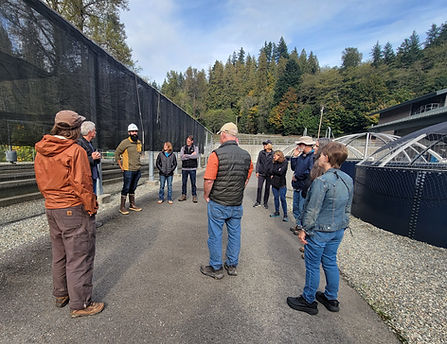

Events page
¿Está interesado en conocer nuevos amigos, aprender de expertos locales sobre las maravillas de la cuenca del río Skagit y participar en proyectos comunitarios significativos? El programa Watershed Masters está destinado a residentes de la comunidad, mayores de 17 años, que aspiran a aumentar sus conocimientos sobre las cuencas hidrográficas locales, la calidad del agua y la ecología de playas y arroyos. Los participantes asisten a 8 sesiones nocturnas y 3 excursiones de campo los sábados. El propósito del programa es aumentar la conciencia pública sobre una variedad de problemas y soluciones de calidad del agua e inspirar la administración comunitaria con respecto a la calidad del agua.
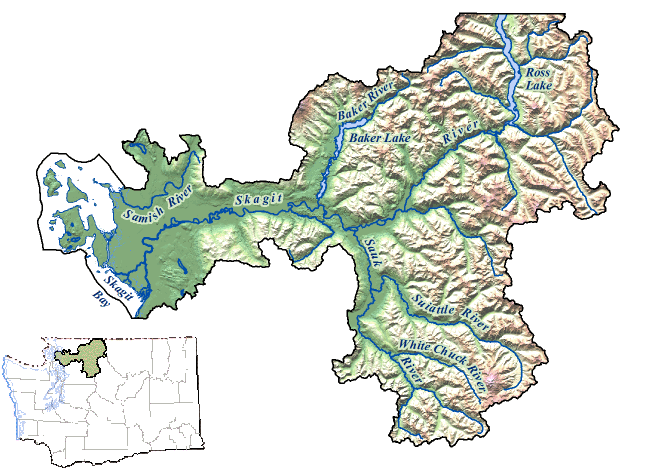


For more information, please contact Carla Glassman 360-708-2360 or Carla@skagitcd.org
Small Space Gardening


Partner Groups' Volunteer Programs

The goals of the monitoring program are to:
1) Engage community members in hands-on monitoring projects to improve their understanding of forest ecosystems.
2) Gain insight into the stressors on forest ecosystems and the implications of climate change for individual species and forest ecosystems.
3) Provide the City of Anacortes forest managers and the ACFL Forest Advisory Board with environmental monitoring summaries to support forest management.

The Salish Sea Stewards is a volunteer program of the Skagit County Marine Resources Committee in partnership with Padilla Bay National Estuarine Research Reserve.
Our program offers approximately 40 hours of FREE community science training each year focused on the marine environment. In return, participants commit 40 hours of volunteer service in protecting the marine environment over the course of one year.

SFEG is a nonprofit and non-governmental organization, that was formed in 1990 to involve our communities in habitat restoration and watershed stewardship in order to enhance salmon populations.

Conserving wildlife habitat, agricultural and forest lands, scenic open space, wetlands, and shorelines for the benefit of our community and as a legacy for future generations.

Skagit Watershed Council is a community partnership for salmon.
By means of collaboration, technical assistance and education, the watershed council seeks to fulfill their mission, which is to understand, protect and restore the productivity of healthy ecosystems in order to support sustainable fisheries.